
What FAJR does
Three areas of work, one continuous chain of care
From the operating table to the food parcel to the peer-reviewed paper, FAJR is built so that emergency response, daily survival and long-term capacity reinforce each other rather than compete.
Every programme, project and campaign FAJR runs sits inside one of these three areas.
FAJR Medical
Care where it is needed most
Volunteer surgical missions, medical evacuations, and hospital care for patients cut off from treatment.
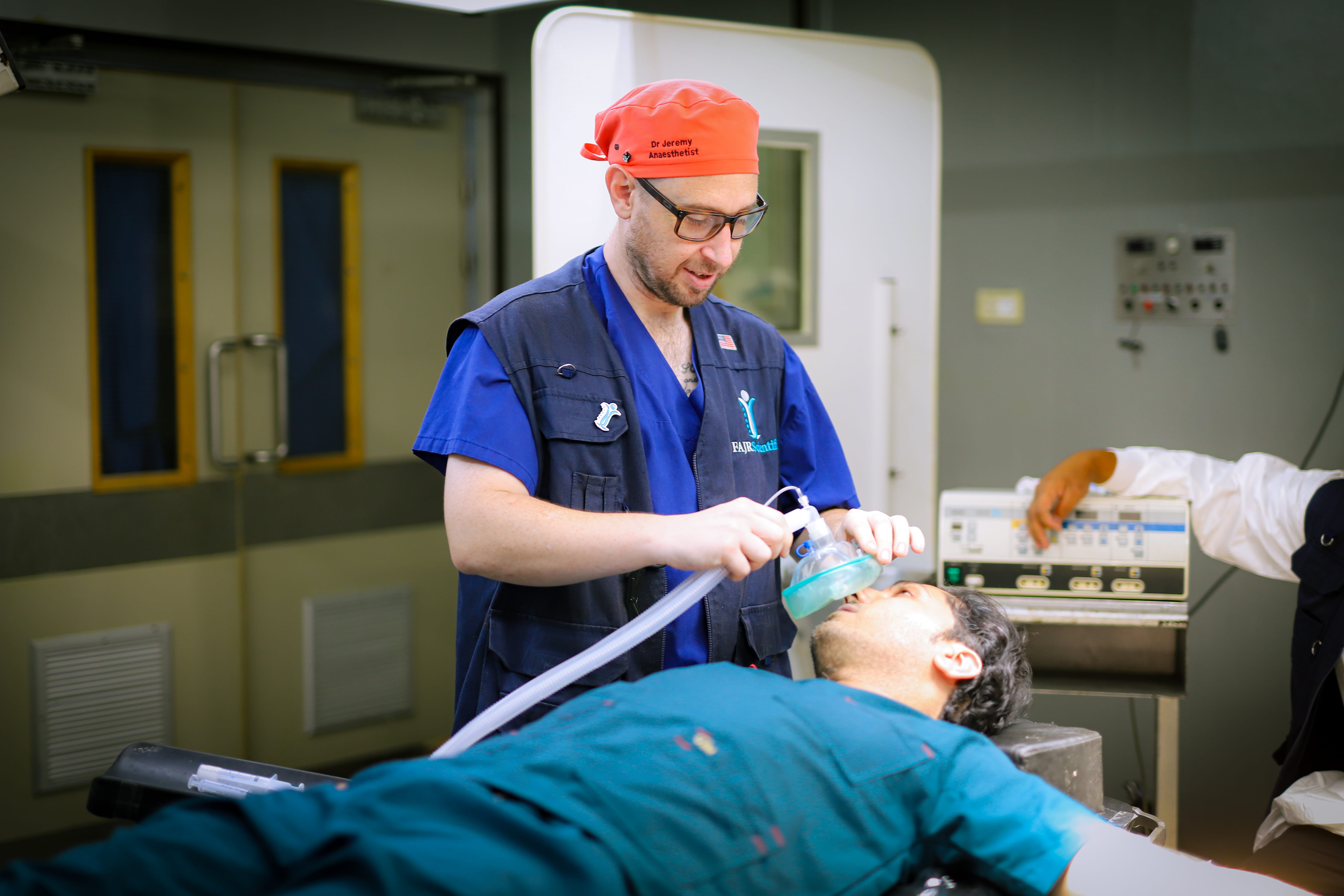
FAJR Medical delivers direct medical care in places where health systems have collapsed or never reached. Volunteer physicians and surgeons travel on specialized missions, critically injured patients are evacuated for treatment abroad, and hospital services are funded free of charge for those who need them most.
The work is organised around what a patient actually needs rather than what is convenient to deliver. Some cases can be treated by a surgical team arriving for a week of concentrated operating. Others cannot be treated locally at all, and the only route to survival is a transfer abroad with every stage funded. Both sit inside this area of work.
Wherever possible FAJR operates alongside local clinicians rather than in place of them, because the training and shared theatre time stay behind after a mission ends. Every patient is treated free of charge.
FAJR Humanity
Relief for daily survival
Food, shelter, water, and emergency relief for families living through conflict and displacement.
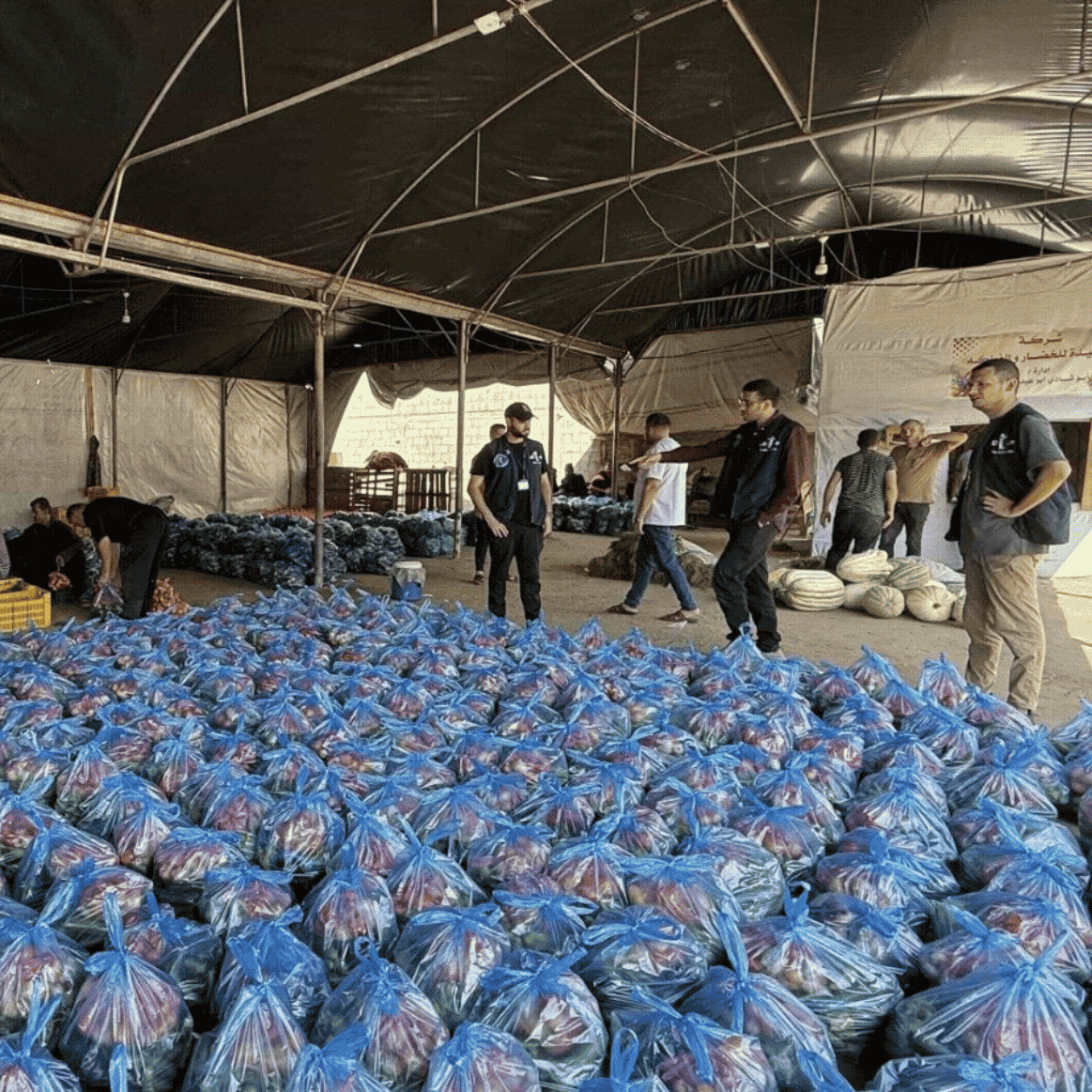
FAJR Humanity meets the immediate needs of families in crisis — food parcels and hot meals, winter blankets and safe shelter, clean water, and rapid emergency response where disaster strikes.
This is the work that keeps people alive between medical interventions. A family that cannot eat, drink clean water or stay warm will not recover from surgery, and a displaced household with no shelter has no base from which to rebuild anything else.
Distribution runs through teams who can reach people where they are sheltering rather than where they used to live, and supplies are bought locally wherever that is possible, so the money supports the surrounding economy as well as the families receiving aid.
FAJR Scientific
Knowledge that outlasts crisis
Medical research and education programs — from clinical studies to schools that bring children back to learning.
FAJR Scientific invests in what endures: research into the health consequences of conflict, medical training for the next generation of clinicians, and schools that restore structure and learning for children who have lost years of education.
Emergency care treats the patient in front of you. Research and teaching decide how many patients the next clinician will be able to treat, and how well. That makes this the slowest-moving part of FAJR's work and the part that compounds.
The area covers three strands: clinical studies documenting what war does to health, training and sponsorship for medical students and junior clinicians, and the Rise Again education programme returning children to classrooms.

Sustained by
The Maryam Nasser Foundation
FAJR's endowment — not a fourth area of work. Donated funds are invested, and the revenue they generate supports FAJR's projects, sustaining the work between campaigns. A dedicated giving mechanism for the Foundation is being established.